


Protecting your sight through early detection
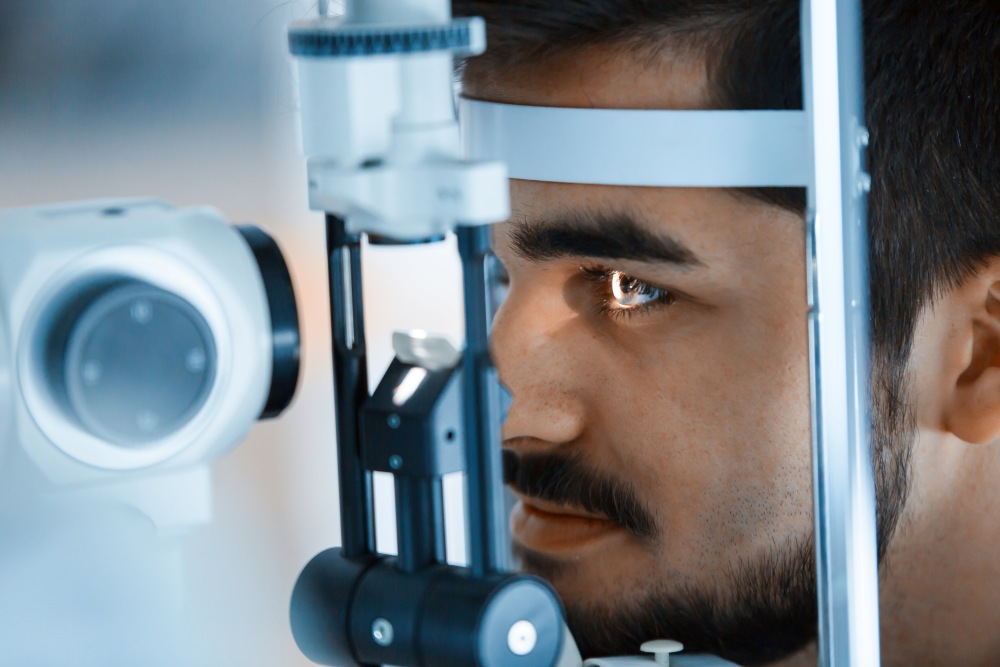
When it comes to diabetes complications, eye disease is one of the most serious, yet many people don’t realise that vision problems can develop without obvious symptoms. In fact, diabetic retinopathy, a condition caused by damage to the small blood vessels in the retina, often has no warning signs in its early stages. Regular eye checks are therefore one of the most important things you can do to protect your sight.
The good news is that most diabetes-related vision loss can be prevented or treated if problems are detected early. Knowing what to look out for and acting quickly if changes occur can make a significant difference.
Five early signs to watch for
1. Blurred or fluctuating vision
If your vision seems blurry, or if it changes from day to day, diabetes may be affecting the way your eyes focus. Fluctuations can sometimes occur when blood glucose levels are high, but ongoing blurry vision should always be checked by an optometrist.
2. Floaters
Floaters can appear as small dark spots, specks, squiggles, or wispy shapes drifting across your field of vision. While they are not always a sign of eye disease, any new or sudden increase in floaters should be assessed promptly.
3. Distorted or wavy vision
Straight lines that suddenly appear bent, wavy, or distorted may indicate swelling or damage in the retina. Never ignore this change; it requires prompt assessment by an eye care professional.
4. Difficulty seeing in low light
Struggling to see clearly at night or in dimly lit environments can be an early sign of diabetes-related eye disease. Some people also report increased sensitivity to glare from headlights or bright lights.
5. Dark, patchy, or missing areas in your vision
Dark spots, smudges, or missing sections in your vision can indicate significant changes in the retina and should be treated as urgent. Seek professional advice as soon as possible if you notice these symptoms.
What you can do to protect your sight
The most important step is to have regular diabetes eye checks, even if your vision seems perfectly normal. Eye examinations can detect changes long before you notice any symptoms. People with diabetes should have regular comprehensive eye examinations as recommended by their eye care professional. You can also reduce your risk of developing diabetes-related eye disease by:
• Keeping blood glucose levels as close to your target range as possible
• Managing blood pressure and
• Not smoking
• Seeking advice promptly if you notice any changes in your vision
• Attending all recommended eye screening and eye examination appointments
Don’t wait for symptoms
One of the challenges of diabetic retinopathy is that it often develops silently. By the time vision changes occur, damage may already have progressed. That’s why routine eye checks matter. Early detection and timely treatment can help prevent vision loss and protect your eye health for years to come. Need a reminder? Diabetes Australia’s KeepSight program sends free reminders when you’re due for a diabetes eye check, helping make regular eye care part of your diabetes management routine.